
In this article:
Be prepared to rise to today’s challenges and provide the seamless self-service customers are demanding with Fujitsu retail software.

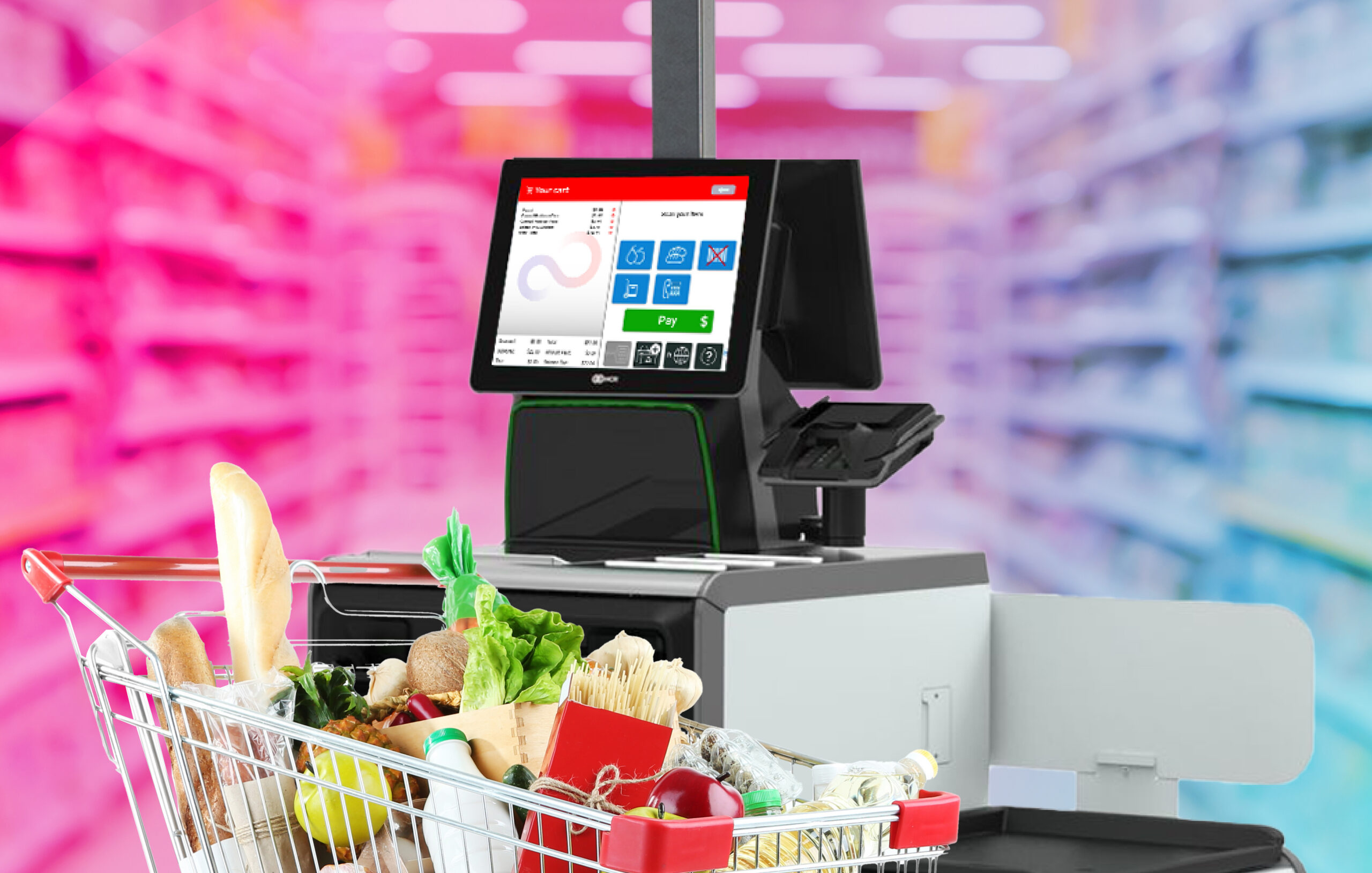
Retailers today are under pressure to do more with less: improve throughput, reduce shrink, and keep the shopping experience simple. And they’re having to do all without blowing past their budgets. The good news? Retailers can upgrade self-checkout without replacing their existing hardware.
By modernizing self-checkout software and adding hardware-agnostic technology solutions like AI-powered loss prevention, retailers can immediately enhance their self-checkout performance on the hardware they already own, so they don’t have to make a large investment to improve the experience.
Meeting the Demands of Today’s Shoppers
Retail has changed dramatically in recent years. Shoppers have grown accustomed to speed, convenience, and seamless experiences across every channel. In-store, that means they expect the checkout process to be just as fast and frictionless as online ordering. Long lines or clunky interfaces can drive customers away, sometimes permanently.
According to industry surveys, a significant share of shoppers actively prefer self-service. Nearly 66% of US shoppers prefer self-checkout over manned lanes, according to PYMNTS.
Today’s consumers also expect intuitive interfaces, such as the ability to use mobile payment and loyalty apps, and fast handling of produce and other items that traditionally give self-checkout challenges. If self-checkout doesn’t deliver, shopper frustration grows, and cart abandonment becomes a real risk.
At the same time, retailers are dealing with their own pressures:
Labor Costs & Shortages
Rising labor costs and shortages, making efficient checkout even more critical.

Rising Shrink & Theft
Persistent shrink and theft risks that disproportionately occur at self-checkout.
Inefficient Investments
A need for speed and flexibility without having to invest millions in new hardware.

To keep pace, retailers need to upgrade their self-checkout experiences with features that weren’t available just a few years ago, like AI-powered security and non-barcoded item recognition.
Fortunately, you don’t have to rip out your kiosks to meet these expectations. With the right self-checkout tools and technology, you can enhance self-checkout and deliver the modern experience customers expect without the expensive costs of upgrading self-checkout hardware.
Taking a Software First Approach to Upgrade Self-Checkout
Self-checkout is no longer a niche. According to RBR Data Services, the self-checkout market experienced a “record year” in 2023, with about 217,000 self-checkout machines delivered globally.
As self-checkout adoption grows, the installed base of self-checkout units represents a major sunk investment. Replacing your existing self-checkout units is costly and disruptive. Instead, a software-first path lets retailers upgrade self-checkout capabilities fast, and with far less capital outlay.
But, as self-service continues to expand, shrink remains a top operational focus for retailers. The National Retail Federation’s comprehensive study put average shrink at 1.6% of sales, totaling $112.1 billion in losses in the U.S. for FY2022, with theft making up nearly two-thirds.
Upgrading self-checkout software to introduce smarter, more efficient security can reduce theft and shrink without making disrupting the shopping experience.
Hardware replacement is expensive and disruptive. Focusing on hardware-agnostic upgrades like targeted software and AI investments preserves the life of existing self-checkout hardware and unlocks new capabilities without the large investment.
What Software Upgrades Can Do for Your Existing Self-Checkout Hardware
A modern, hardware-agnostic self-checkout software platform can revitalize shoppers, fortify loss prevention, and streamline operations without having to make changes to your existing lanes.
Here’s what’s possible when you enhance self-checkout via software:
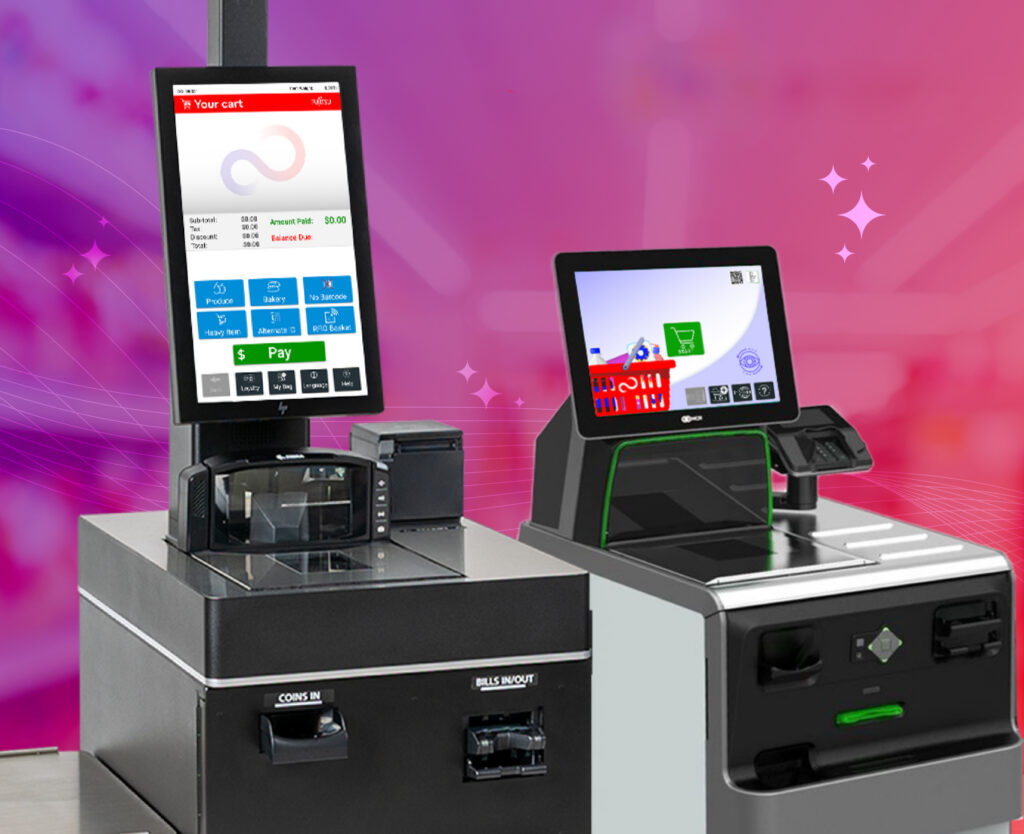
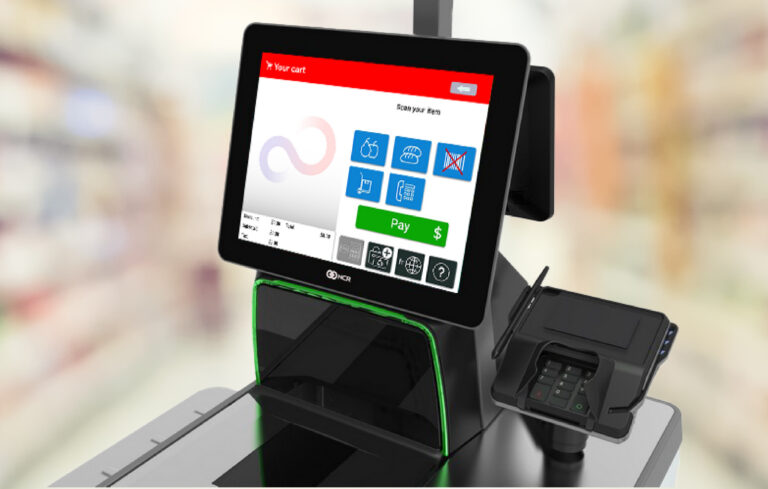
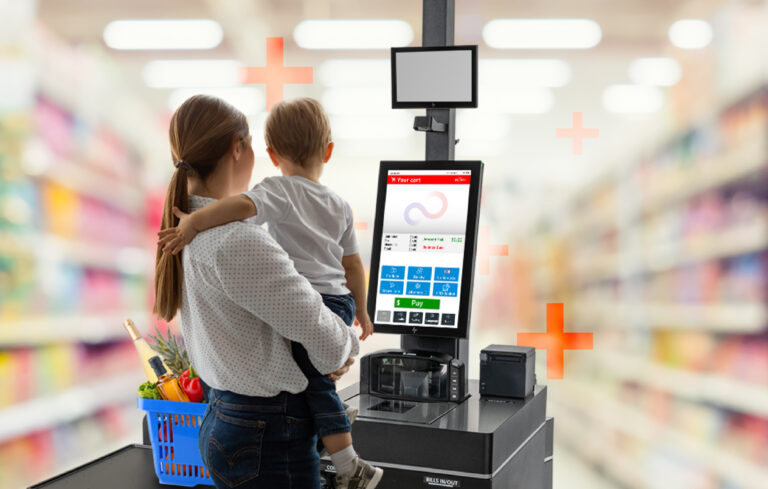
Fujitsu U-SCAN is a prime example. It’s designed to run on either Fujitsu or third-party self-checkout hardware. The platform is integrated and tested with major self-checkout systems and supports a wide range of peripherals, helping retailers maximize their investments while enhancing the experience for shoppers and store staff.
U-SCAN is hardware-agnostic and explicitly supports extending the life of non-Fujitsu estates, with deployments on existing third-party lanes (including large installed bases) already in the field. In practical terms, this means you can enhance self-checkout functionality, such as UI, workflows, security, and fleet management, without having to invest in new hardware.
What AI Upgrades Can Do for Your Existing Self-Checkout Hardware
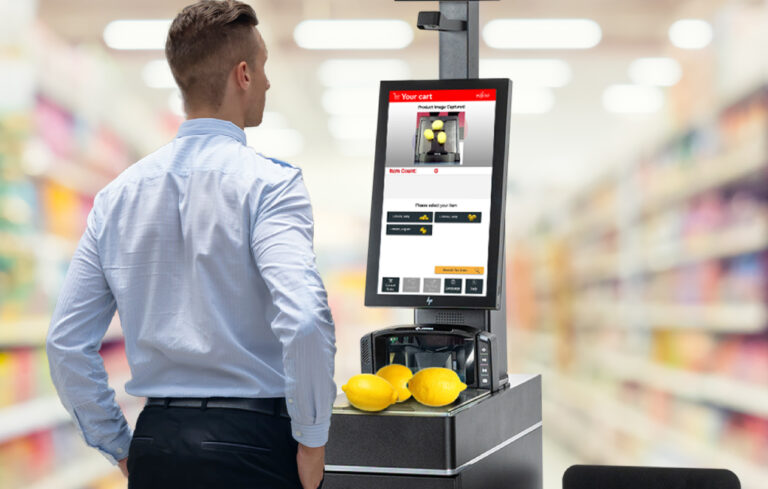
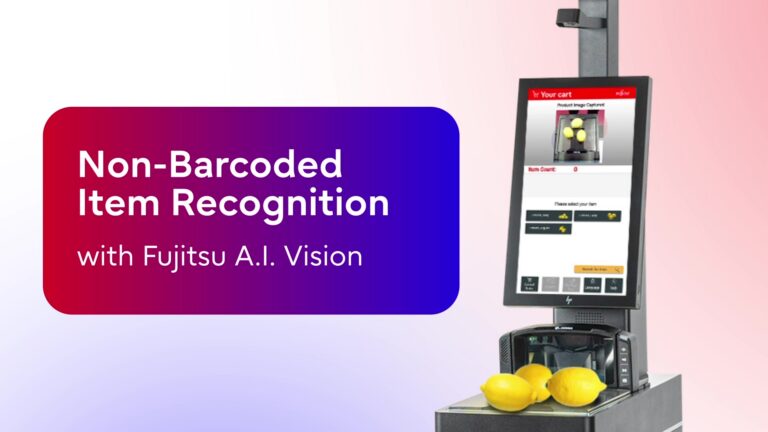
One of the biggest challenges for self-checkout has always been non-barcoded items. Fresh produce, bulk goods, and some deli items require shoppers to search menus, select PLUs, or call an attendant. This creates friction, which slows down transactions, and leads to long queues and mistakes.
AI-powered non-barcoded item recognition uses computer vision models to identify items visually by shape, color, texture, and context, then maps that recognition to the appropriate PLU, price, or weight-based tendering.
Some key benefits of leveraging AI technology for non-barcoded item recognition include:
Shoppers no longer need to scroll through menus or type PLU codes manually.
Your self-checkout system can resolve common produce lookups automatically, letting attendants focus on exceptions.
Visual recognition reduces mis-keyed PLUs and the subsequent price mismatches that cause friction and shrink.
Quicker, smoother produce checkout increases satisfaction and reduces cart abandonment.
Shoppers no longer need to scroll through menus or type PLU codes manually.
Your self-checkout system can resolve common produce lookups automatically, letting attendants focus on exceptions.
Visual recognition reduces mis-keyed PLUs and the subsequent price mismatches that cause friction and shrink.
Quicker, smoother produce checkout increases satisfaction and reduces cart abandonment.
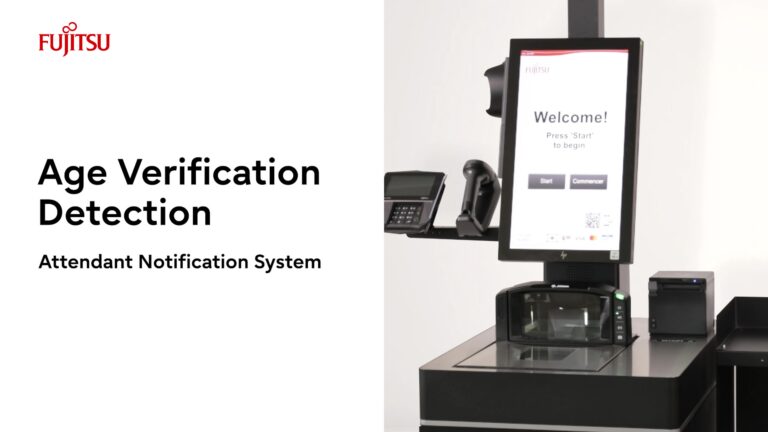
Meanwhile, cutting-edge AI functionality can be used to upgrade loss prevention in retail environments. AI-powered self-checkout security now includes advanced features such as:

Scan-Avoidance Detection
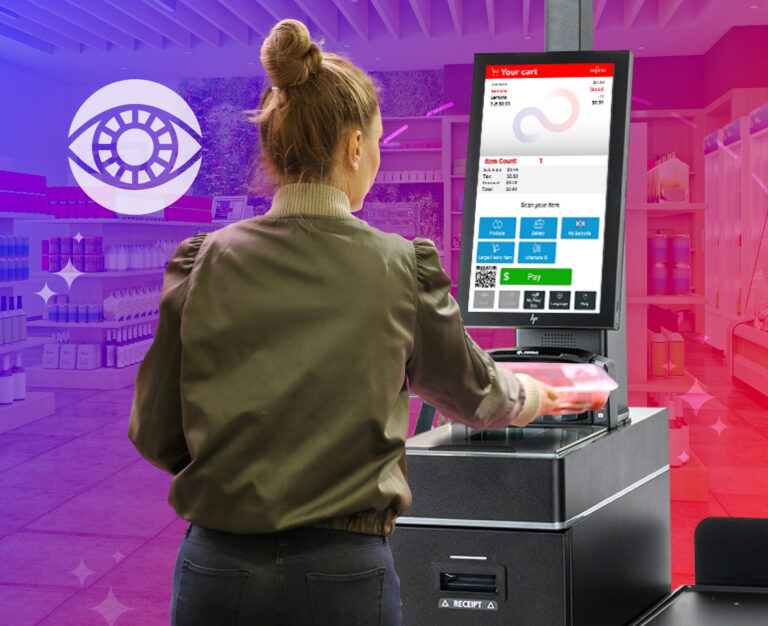
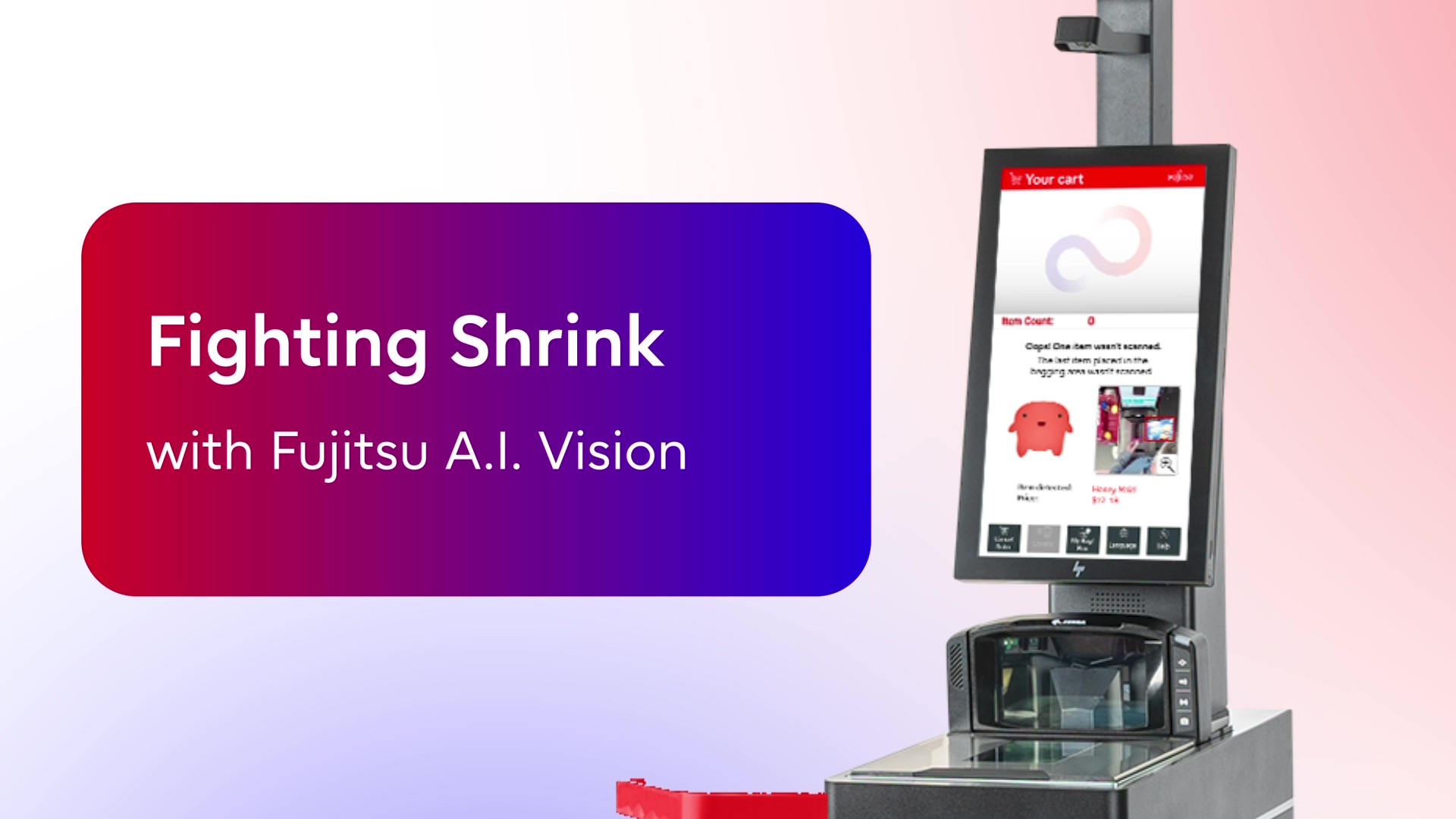
Cameras detect when an item is added to the bagging area without a corresponding scan and prompt the shopper or notify an attendant.

Barcode-Swapping Detection
Computer vision compares the item being bagged to the scanned barcode to detect mismatches (i.e. scanning a low-cost item while bagging a high-cost one).
By combining these AI capabilities, retailers can reduce errors and theft while simultaneously improving the speed and ease of transactions at self-checkout. The approach focuses on positive friction, adding the right amount of friction at the right time during the transaction to enhance the shopping experience.
What Results Should You Expect?
Most retailers that upgrade self-checkout software and capabilities see measurable impact in operational efficiency, shrink reduction, and cost savings.
By leveraging modern self-checkout software on existing self-checkout hardware, retailers can improve speed, accuracy, and customer satisfaction, all while avoiding costly lane replacements. These improvements are especially noticeable in categories that have historically required more manual input or attendant intervention, such as produce and other non-barcoded items.
Key benefits include:
AI technology quickly and automatically recognizes produce and non-barcoded items automatically and suggests PLUs.
Fewer attendant calls needed for common produce lookups, freeing up staff to focus on other high-value tasks.
Proper pricing reduces friction at payment and improves accuracy for both customers and retailers.
Catch errors with camera-based detection systems that identify scan avoidance, barcode swapping, and other anomalies in real time.
Faster, smoother checkout flows and fewer interruptions means effortless experiences and happier customers.
Because these software upgrades operate on existing self-checkout hardware, the upfront investment is significantly lower than installing new hardware units. Results can appear in weeks or months, giving retailers a fast, measurable return on investment.
Fujitsu’s Approach to Upgrading Self-Checkout Hardware
Fujitsu Self-Service Simplified offers a modern approach to enhancing self-checkout upgrades, allowing retailers to choose only the building blocks they want rather than requiring them to replace existing lanes.
Designed for flexibility, security, and a seamless customer experience, Fujitsu U-SCAN helps stores modernize quickly without the high costs of hardware upgrades.
Key advantages include:
U-SCAN software and AI security are compatible with Fujitsu and third-party lanes, extending the life of existing units.
Easily add on AI features like scan-avoidance detection, barcode-swapping detection, and non-barcoded item recognition for produce and unpackaged goods.
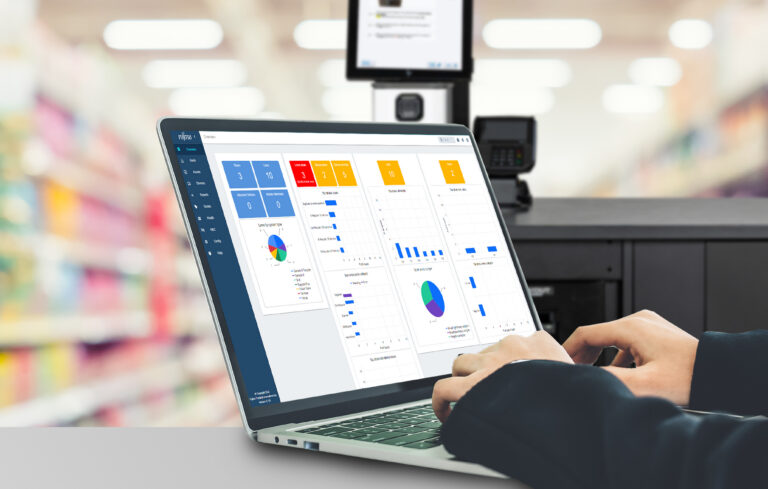
Centralized tools for configuration, updates, and monitoring across entire self-checkout fleets simplify management and reduce operational burden.
Provides helpful prompts and escalates issues only when patterns indicate risk, maintaining a positive checkout experience.

By leveraging U-SCAN and its AI-driven modules, retailers can upgrade self-checkout to handle a full spectrum of modern needs, including produce recognition and advanced loss prevention, without costly, large-scale hardware replacement.
Upgrade Your Self-Checkout Now
Enhancing your self-checkout experience doesn’t mean you have to start from scratch. With Fujitsu and U-SCAN, you can strengthen loss prevention, deliver faster throughput, and drive shopper loyalty with your existing self-checkout systems.
Fujitsu Frontech North America helps retailers take a smarter approach with U-SCAN and AI-powered vision solutions designed to integrate seamlessly into your current environment.
To find out how U-SCAN can modernize your existing lanes, contact us today.
Unlock the Future of Retail with Fujitsu
Bob Brower
Bob Brower has developed a reputation of diversified technology sales leadership success in software, hardware and services.